
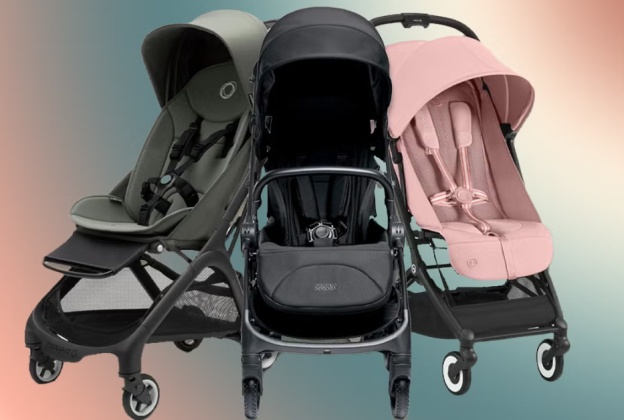
Understanding stroller max weight is essential for keeping your child safe and ensuring your stroller performs as designed. While many parents focus on comfort, folding ease, or storage space, weight limits are a critical safety feature that should never be overlooked. Exceeding a stroller’s maximum capacity can compromise stability, damage structural components, and increase the risk of tipping or mechanical failure.
Choosing a well-designed lightweight stroller that clearly states its weight limits makes daily outings smoother and safer, especially as your child grows. This guide explains why stroller weight limits exist, how they vary by model, and how to know when it’s time to upgrade.
Understanding Weight Limits: Why Strollers Have a Maximum Capacity
Strollers are engineered with precise load tolerances. The maximum weight limit reflects the amount of weight the frame, wheels, brakes, and suspension system can safely support.
Weight limits help:
- Maintain balance and prevent tipping
- Protect locking mechanisms and hinges
- Ensure smooth steering and braking
- Preserve long-term structural integrity
Manufacturers test strollers under controlled conditions to establish these limits. Exceeding them introduces variables the stroller was not designed to handle.
Decoding Stroller Specifications: Key Differences by Model Type
Not all strollers are built the same, and weight limits vary significantly depending on design and intended use.
Common Weight Ranges
- Umbrella strollers: 35–40 lbs (16–18 kg)
- Standard full-size strollers: 40–50 lbs (18–23 kg)
- Jogging strollers: 50–75 lbs (23–34 kg)
- Double strollers: 35–50 lbs per seat
Higher-capacity strollers often feature reinforced frames, wider wheelbases, and stronger suspension systems.
Safety Implications: What Happens When the Limit Is Exceeded
Using a stroller beyond its maximum weight limit can cause both immediate and long-term safety issues.
Potential Risks Include:
- Increased tipping risk, especially on turns or slopes
- Brake failure or reduced stopping power
- Warped frames or bent axles
- Difficulty steering or sudden collapses
These issues may not appear immediately but can worsen over time, increasing the chance of accidents.
Manufacturer Guidelines: Finding the Official Maximum Weight for Your Stroller
Every stroller has an official maximum weight limit provided by the manufacturer.
Where to Find It:
- User manual
- Product label or sticker on the frame
- Manufacturer’s website
Never rely on estimates or comparisons to similar models. Even strollers that look alike may have different weight tolerances.
The Fine Print: Distinguishing Between Seat and Storage Weight Limits
Many parents overlook the difference between child weight limits and storage capacity.
Typical Storage Limits:
- Under-seat basket: 5–10 lbs (2–4.5 kg)
- Handlebar organizers: 2–5 lbs (1–2 kg)
Overloading storage areas can shift the stroller’s center of gravity, increasing tipping risk—especially when combined with a heavier child.
Weight vs. Height: When Your Child Outgrows the Stroller by Length
Weight is not the only factor that determines stroller suitability. Height also plays a role.
Signs Your Child Has Outgrown the Stroller:
- Head extends beyond the seat back
- Knees are bent awkwardly
- Feet drag near the wheels
- Harness no longer fits correctly
Even if your child is within the weight limit, poor posture or improper harness fit means it’s time to transition.
Different Categories: Limits for Umbrella, Standard, and Double Strollers
Umbrella Strollers
Lightweight and portable but limited in capacity. Best for short trips and older toddlers.
Standard Strollers
Balanced option with moderate weight limits and more comfort features.
Double Strollers
Designed for two children, but weight distribution matters. Uneven loading can affect steering and stability.
Longevity Planning: Choosing a Stroller That Grows With Your Child
If you want long-term use, consider future growth when selecting a stroller.
Look For:
- Higher maximum weight limits
- Adjustable harness and seat height
- Durable wheels and suspension
- Expandable seating options
Investing in a stroller with a higher capacity can reduce the need for early replacement.
Common Myths About Stroller Weight Limits
Myth: A few extra pounds won’t matter
Fact: Even small overages can stress key components
Myth: Heavier strollers don’t have limits
Fact: All strollers have tested maximum capacities
Myth: Storage weight doesn’t affect safety
Fact: Improper weight distribution increases tipping risk
How to Monitor Weight Over Time
How to Monitor Weight Over Time
Children grow rapidly, particularly during the first three years, and stroller suitability can change faster than many parents expect. Regularly monitoring your child’s weight and how they fit in the stroller is essential for maintaining safety, comfort, and proper support as they develop.
Helpful Tips for Monitoring Growth and Stroller Safety
Weigh your child regularly: Aim to check your child’s weight every 1–2 months during infancy and every 3–4 months for toddlers. Pediatric checkups are a reliable reference, but at-home digital scales can help you track changes between visits.
Reassess stroller fit every few months: As your child grows, revisit how they sit in the stroller. Ensure their back rests fully against the seat, their head is supported below the top of the seatback, and their legs have enough room without excessive bending.
Adjust harness and seating positions: Harness straps should always sit snugly at or slightly above the shoulders, depending on the stroller’s design. Reposition straps and recline settings as your child gains weight and height.
Inspect the stroller for signs of wear: Growth-related stress can affect stroller components over time. Regularly check the frame, wheels, brakes, and locking mechanisms for looseness, squeaking, or visible damage.
Why Ongoing Monitoring Matters
Consistent checks help prevent accidental overuse, ensure your child remains properly supported, and extend the overall lifespan of your stroller. Rather than waiting until the stroller feels unstable or uncomfortable, proactive monitoring allows parents to make timely adjustments or transitions—keeping every outing safe and enjoyable as children grow.
When to Transition Out of a Stroller
Most children outgrow strollers between ages 3–5, depending on size and development.
Signs it’s time to stop using a stroller include:
- Consistently exceeding weight or height limits
- Resistance to sitting for extended periods
- Improved walking endurance
Transitioning at the right time supports independence and safety.
Final Thoughts: Weight Limits Protect More Than Just the Frame
Stroller max weight limits exist to protect your child, your investment, and your peace of mind. Respecting these limits ensures stable handling, effective braking, and reliable performance as your child grows.
By understanding specifications, monitoring growth, and choosing the right stroller for your lifestyle, you can enjoy safe, stress-free outings from infancy through toddlerhood and beyond.