
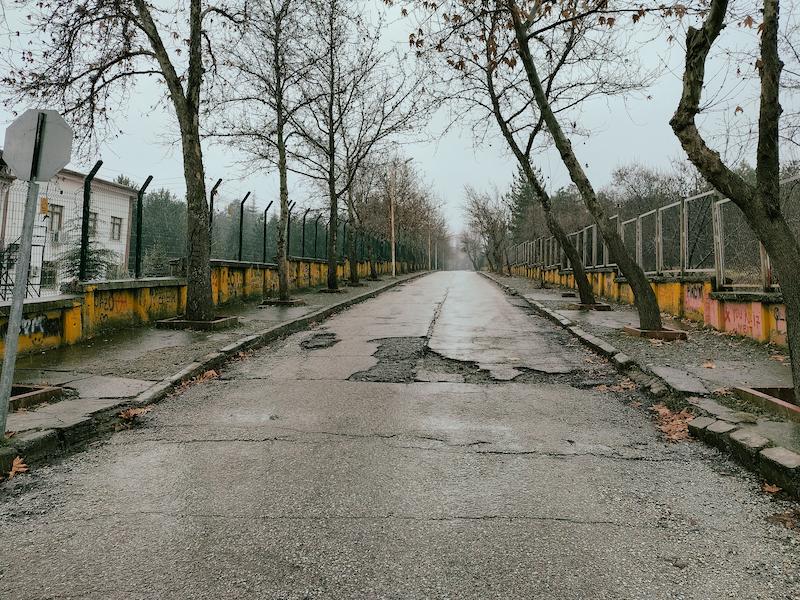
Winter is usually blamed for potholes, but this year the RAC has pointed to summer as well. In a warning published in September, the motoring organisation explained how prolonged heat and sun weaken asphalt, adding to damage on a local road network it already described as fragile.
The RAC Report on Motoring 2026, released alongside that warning, shows how drivers feel about the result. It found that 83% of drivers encounter potholes on most journeys, 51% name the condition of local roads as their biggest motoring concern and 66% say roads in their area have got worse over the past year.
A map of who is fixing what
In January, the Department for Transport published its first traffic-light ratings for local highway authorities in England. The ratings, reported by the Chartered Institute of Logistics and Transport, graded 154 authorities red, amber or green on road condition, spending on repairs and whether they follow best practice. The government has committed £7.3 billion to local road maintenance over the four years to 2029/30.
The results were mixed across the South East. Essex was among the authorities rated green, while Suffolk and Kensington and Chelsea were among those rated red. Authorities in the red category are receiving support through a £300,000 programme. Whatever a council’s rating, though, drivers still meet the potholes that exist today, and the cost of an impact lands on the vehicle.
What a pothole does to a wheel
Alloy wheels are strong for their weight, but they are not built for a sharp impact against the edge of a hole. The damage usually takes one of a few forms.
A buckle is a bend in the rim, often on the inner edge where it cannot easily be seen. It can cause vibration through the steering wheel at speed and may let air escape where the tyre meets the rim. A crack is more serious and can lead to sudden deflation. Cosmetic damage, such as scuffs and chips to the outer face, is the least serious but can allow corrosion to start under the paint or lacquer.
Low-profile tyres, now common on new cars, give the wheel less protection because there is less sidewall to absorb the shock. Larger wheel sizes have made this more of an issue in recent years.
Repair, refurbish or replace
Many buckles can be straightened, and some cracks can be welded, depending on their location and severity. Wheel repair specialists usually assess whether a wheel is safe to repair before quoting, and some damage, particularly cracks near the spokes or the centre, means replacement is the only safe option.
Workshops such as Alloy Fix, which has sites in Romford, Dartford and Hemel Hempstead, handle buckled and cracked wheels as well as cosmetic refurbishment, reflecting the range of pothole damage drivers bring in.
Claiming for damage
Drivers can claim against the highway authority responsible for the road, though councils have a legal defence if they can show they inspected and maintained the road reasonably. Claims are more likely to succeed with photographs of the pothole, its location and size, and evidence of the cost of repair. Comprehensive motor insurance generally covers pothole damage, subject to the excess.
After any hard impact, a quick check of the inside of the rim and the tyre pressures over the following days is the simplest way to catch damage early.